
Tucked in a quiet street in Pétion-Ville, our atelier is a five-person operation. They cut, they sew, they embroider, they pack.
Every garment passes through the hands of someone who lives in the country it celebrates. That is non-negotiable.
Tucked in a quiet street in Pétion-Ville, our atelier is a five-person operation. They cut, they sew, they embroider, they pack.
Every garment passes through the hands of someone who lives in the country it celebrates. That is non-negotiable.

From working-class origins to national symbol — a cultural deep-dive on the Karabela dress and how traditional Haitian clothing shapes the way we design today.
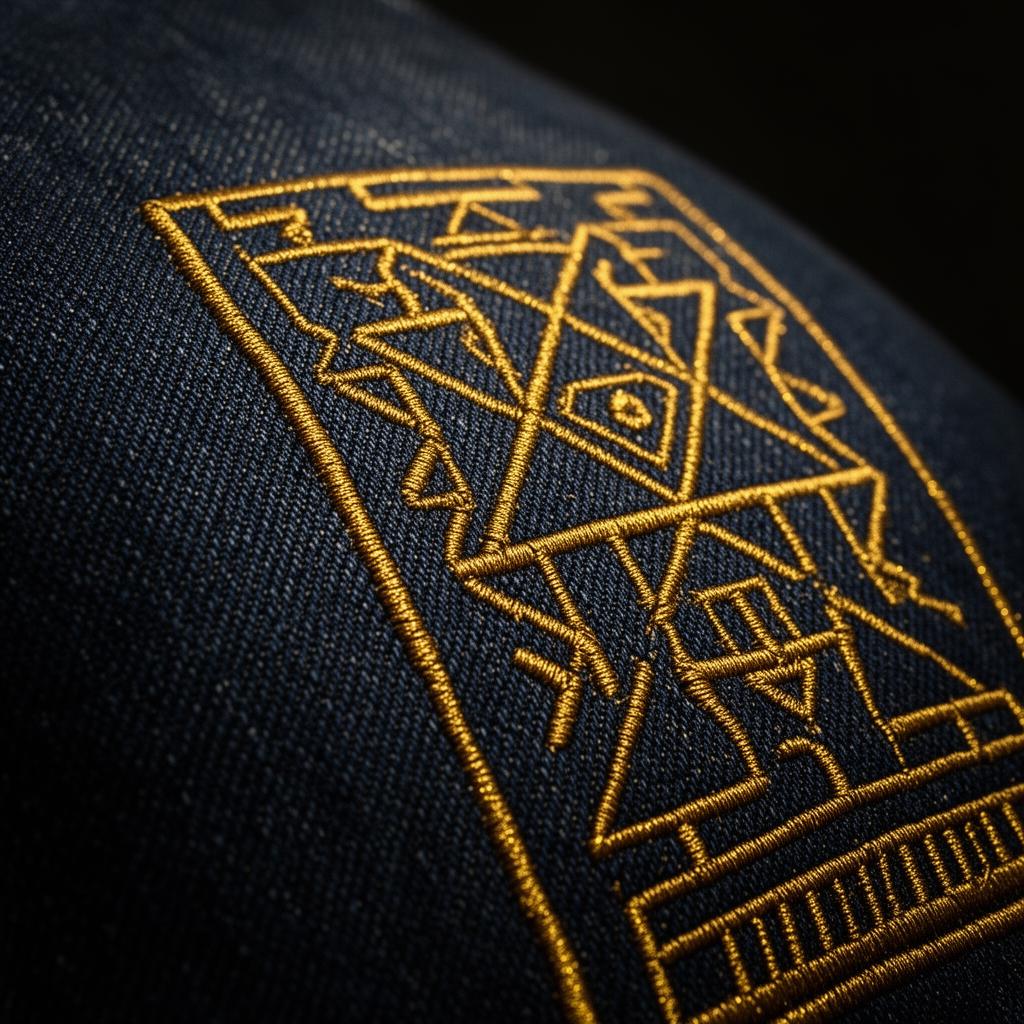
On the morning of January 1, 1804, in the town of Gonaïves, a new world was declared. This is why we still wear it.